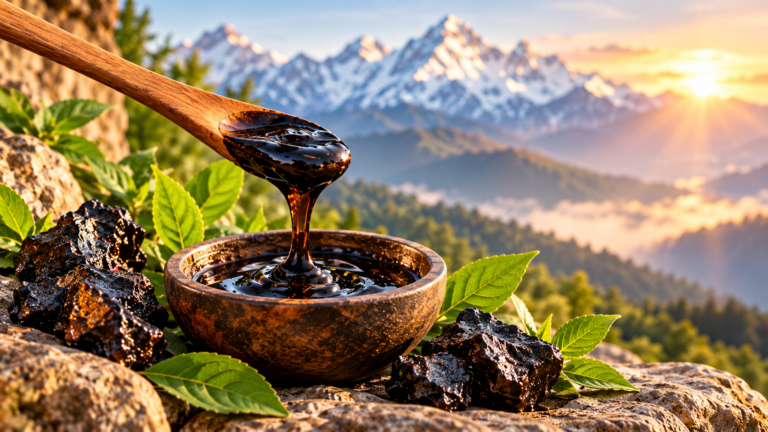

Ayurveda is one of the world’s oldest traditional systems of health and wellness. Developed in India thousands of years ago, Ayurveda takes a broad approach to wellbeing by considering diet, lifestyle, herbs, daily routines, sleep, digestion, and an individual’s overall constitution. Ayurvedic medicines commonly use plant-based ingredients such as herbs, roots, bark, seeds, fruits, and spices, sometimes alongside minerals or other traditional preparations.
Interest in Ayurveda continues to grow as people look for ways to complement conventional healthcare with traditional wellness practices. Ayurvedic medicines can offer several potential benefits, but they should be used thoughtfully. “Natural” does not automatically mean risk-free, and herbal products can interact with medicines or be unsuitable for certain health conditions.
Here are some of the main reasons Ayurvedic medicine remains an important part of traditional wellness practices.
1. Ayurveda Takes a Holistic Approach to Wellbeing
One of the defining features of Ayurveda is its whole-person philosophy. Instead of viewing wellbeing through a single symptom or concern, Ayurvedic practice considers different aspects of daily life.
Diet, digestion, sleep, physical activity, stress, seasonal changes, and personal routines can all form part of an Ayurvedic wellness plan. Traditional Ayurvedic practitioners may also consider a person’s prakriti, or individual constitution, when recommending lifestyle practices.
This broader perspective can encourage people to pay closer attention to everyday habits that influence how they feel. Good nutrition, adequate sleep, regular movement, and stress management are valuable foundations for health regardless of the wellness system being followed.
2. Ayurvedic Medicines Use a Wide Range of Botanical Ingredients
Herbs are central to many Ayurvedic formulations. Common ingredients include turmeric, ginger, amla, tulsi, ashwagandha, neem, triphala, brahmi, and licorice.
Each has a different traditional role. Ginger, for example, has a long history of use in digestive preparations, while turmeric is widely studied for compounds such as curcumin. Amla is valued in traditional formulations and is naturally rich in vitamin C and other plant compounds.
Modern research has investigated several Ayurvedic herbs, but the strength of evidence varies considerably between ingredients and health claims. It is therefore better to evaluate each herb and formulation individually instead of assuming every Ayurvedic product has the same scientifically established benefits.
3. Digestive Wellness Is a Major Focus
Digestion occupies an important place in Ayurvedic philosophy. The traditional concept of agni, often translated as digestive or metabolic “fire,” reflects the emphasis Ayurveda places on digestion and food habits.
Ayurvedic traditions commonly use ingredients such as ginger, fennel, cumin, coriander, and triphala as part of digestive wellness routines. Alongside herbs, Ayurveda may encourage mindful eating, regular meal schedules, appropriate portion sizes, and foods suited to an individual’s needs.
Some herbs and spices used in these practices have been researched for their effects on digestion. Persistent symptoms such as abdominal pain, vomiting, blood in the stool, severe heartburn, or unexplained weight loss, however, require medical assessment instead of relying solely on herbal remedies.
4. Ayurveda Can Support a More Mindful Daily Routine
The potential value of Ayurveda extends beyond herbal products. Traditional Ayurvedic living places considerable emphasis on dinacharya, meaning a daily routine.
Practices can include maintaining consistent waking and sleeping times, eating regular meals, exercising appropriately, taking time for relaxation, and following personal hygiene and self-care routines.
Creating greater consistency in daily life can make healthy behaviours easier to maintain. For someone exploring Ayurveda, this lifestyle component can be just as significant as choosing a particular herbal preparation.
5. Some Ayurvedic Herbs Are Studied for Stress and Wellbeing
Modern lifestyles can involve demanding schedules, insufficient rest, and prolonged stress. Ayurveda has traditionally used certain plants as part of routines intended to promote vitality and balance.
Ashwagandha is one of the best-known examples. Research has examined standardized ashwagandha preparations for stress and anxiety, although results from one extract or dosage cannot automatically be applied to every product sold as ashwagandha.
Brahmi and tulsi also have long histories of traditional use. Research into these herbs continues, and consumers should distinguish between traditional use and benefits that have been established through high-quality clinical evidence.
6. Ayurvedic Practices Often Encourage Preventive Self-Care
Another appealing aspect of Ayurveda is its emphasis on maintaining wellbeing through everyday habits instead of thinking about health only when something feels wrong.
Balanced meals, physical activity, sufficient rest, mindful routines, and attention to emotional wellbeing can encourage greater awareness of personal health. This preventive mindset can complement appropriate medical care.
It is important, however, not to use Ayurvedic medicine as a substitute for vaccinations, prescribed treatment, diagnostic testing, or professional care for serious or persistent conditions.
7. Ayurvedic Medicine Can Be Highly Individualized
Traditional Ayurveda does not necessarily recommend an identical routine for everyone. Age, lifestyle, digestion, constitution, environment, and current health are among the factors a qualified practitioner may consider.
This individualized philosophy is one reason people find Ayurveda appealing. At the same time, personalization should be based on responsible assessment rather than online self-diagnosis, especially when herbal medicines are being taken for an existing health problem.
Choosing Ayurvedic Medicines Safely
Quality matters when purchasing herbal products. Look for reputable manufacturers that clearly identify ingredients, directions for use, batch information, manufacturing details, and appropriate quality testing.
Consumers should be especially cautious with products of uncertain origin. Some Ayurvedic preparations can contain metals or other ingredients that may present safety concerns when improperly manufactured or used.
Herbs can also interact with prescription and over-the-counter medicines. Pregnant or breastfeeding women, children, older adults, people preparing for surgery, and anyone with an existing medical condition should seek professional advice before starting an Ayurvedic medicine or supplement.
Conclusion
Ayurveda offers a centuries-old perspective on wellbeing that combines herbal traditions with food, routine, rest, movement, and mindful living. Its greatest appeal may lie in this broader approach to everyday wellness rather than in treating Ayurvedic medicines as quick solutions.
Certain Ayurvedic herbs are also attracting growing scientific interest, but evidence differs substantially by ingredient, formulation, dose, and intended use. Choosing well-made products and seeking guidance from qualified healthcare professionals can help people explore Ayurveda more responsibly.
When traditional knowledge, sensible lifestyle habits, product quality, and appropriate modern healthcare work together, Ayurveda can form part of a thoughtful approach to personal wellbeing.